Don't miss our holiday offer - up to 50% OFF!

Why the Old Money Aesthetic Is Taking Over

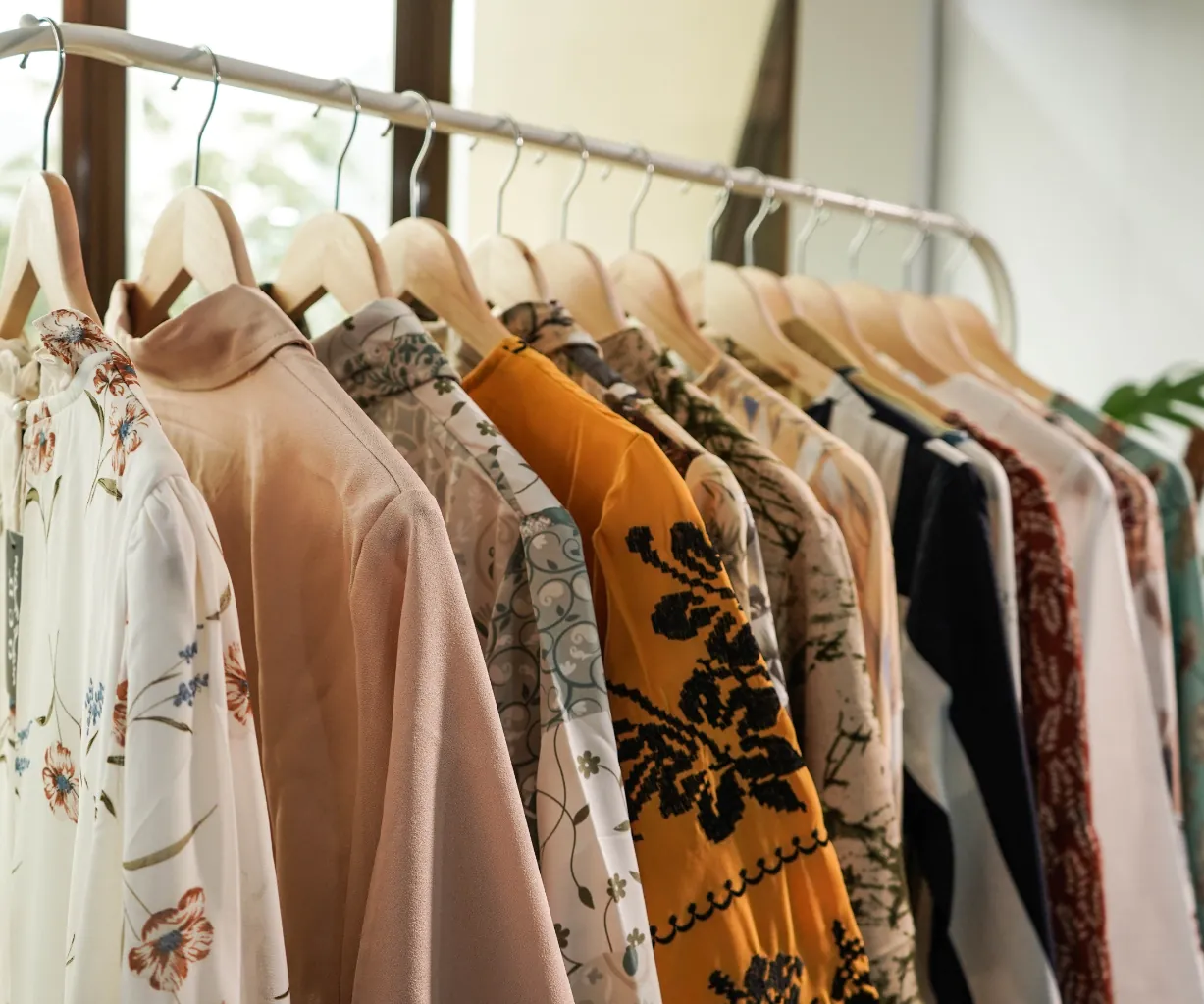
The old money aesthetic is taking over largely because it represents a shift away from loud, trend-driven fashion toward something more timeless and intentional. In contrast to the logo-heavy, fast-changing styles that dominated the past decade, this aesthetic emphasizes understated luxury—think neutral colors, tailored pieces, and high-quality fabrics that never go out of style. People are becoming more drawn to the idea of looking effortlessly put-together rather than obviously expensive, and the old money look delivers exactly that. It signals confidence and discipline without trying too hard, which makes it especially appealing in a culture that often feels oversaturated with attention-seeking trends.
At the same time, the rise of this aesthetic reflects broader cultural changes. As consumers grow more aware of sustainability and the downsides of fast fashion, they are shifting toward buying fewer, better pieces that last longer—something that aligns perfectly with the old money philosophy. Social media has also played a major role, popularizing the lifestyle through curated images of quiet luxury, elite settings, and polished routines. Even if people don’t come from generational wealth, they can still adopt the mindset and style, making the aesthetic more accessible than ever. Ultimately, its popularity comes from offering a sense of stability, refinement, and control in a fast-paced, ever-changing world.